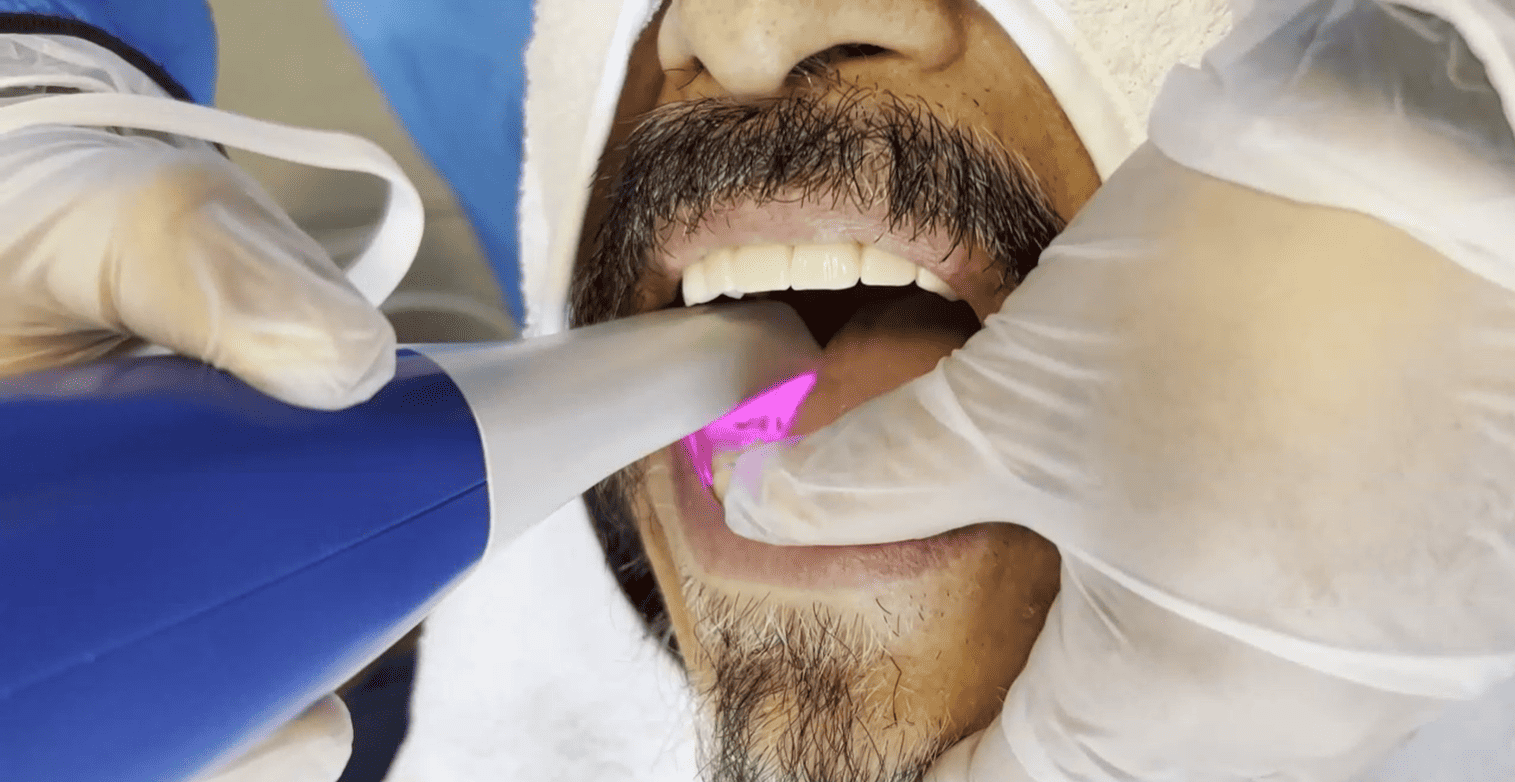


During pregnancy, maintaining optimal oral health is essential. If you need a root canal treatment (endodontics), informing your dentist about your pregnancy will allow the care plan to be adapted to protect your health and the baby's.
Changes in Oral Health During Pregnancy
Hormones and physiological changes during pregnancy increase vulnerability to oral problems such as gingivitis, increased bleeding, and dental sensitivity. Therefore, regular check-ups are key to detecting cavities or infections early and avoiding emergency procedures.
Is It Safe to Have a Root Canal During Pregnancy?
Yes, with appropriate precautions, endodontics is safe and, in fact, recommended when there is infection or intense pain, as failing to resolve an infection can put maternal health at risk. The ideal is to schedule non-urgent treatments in the second trimester, when the risk to the fetus is lower and the patient usually feels more comfortable.
Recommendations by Trimester
First Trimester: Avoid elective procedures; prioritize evaluation and treatment only if urgent.
Second Trimester: Safest period to perform root canals and necessary treatments; planning and control are optimal.
Third Trimester: Limit interventions to emergencies; adapt the position in the chair and avoid prolonged maneuvers that cause discomfort.
Precautions and Safety Measures
X-rays: They can be performed when absolutely necessary, using lead protection (lead apron) and avoiding the first trimester if possible. Always inform the professional about the pregnancy before taking images.
Local Anesthesia: Local anesthesia without vasoconstrictor or with permitted agents is safe when indicated by the professional. Avoid non-recommended agents and follow the dentist's guidelines.
Medications: Some drugs are contraindicated; the professional will choose antibiotics and analgesics safe for pregnant women.
Positioning: In the third trimester, it is preferable to avoid aortocaval compression by placing the patient with a slight inclination to the left.
How the Treatment is Performed (Adapted for Pregnant Women)
- Clinical and radiographic evaluation with adequate protection.
- Safe local anesthesia and pain control.
- Access and cleaning of canals with quality techniques and materials.
- Obturation and sealing using biocompatible materials.
- Subsequent restoration plan (filling or crown) and radiographic follow-up if necessary.
Symptoms You Should Not Ignore During Pregnancy
- Intense or persistent pain in a tooth.
- Facial swelling, fistulas, or pus.
- Fever or general discomfort associated with an oral infection.
If you have any of these signs, schedule an emergency evaluation at iSmile Guatemala Contact.
Post-Treatment Tips and Care
- Maintain rigorous oral hygiene: gentle brushing and flossing.
- Follow the medication schedule indicated by your dentist.
- Avoid intense physical exertion for the first 24–48 hours.
- Attend follow-up appointments to ensure the infection is resolved.
Useful Links
General information about endodontics: Root Canal Treatment – Endodontics
Endodontics during pregnancy (specific guide): Root Canal Treatment During Pregnancy
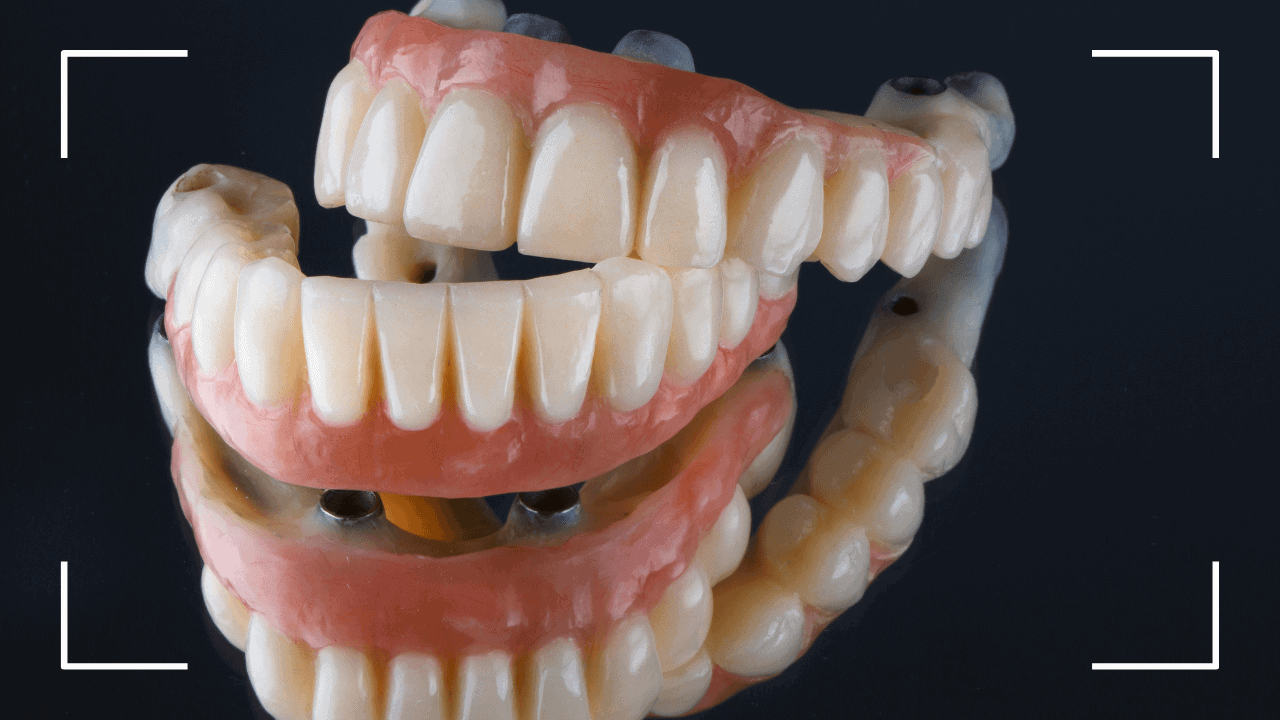
If the piece is not repairable, evaluate alternatives: Dental Implants in Guatemala
Schedule your appointment: iSmile Contact
Frequently Asked Questions (FAQ)
Can I receive local anesthesia during pregnancy?
Yes, the local anesthesia recommended by the dentist is safe when used appropriately.
Can X-rays be taken?
Only if necessary and with adequate protection; avoid unnecessary exposure during the first trimester.Which trimester is best for treatment?
The second trimester is usually the most suitable for non-urgent procedures.