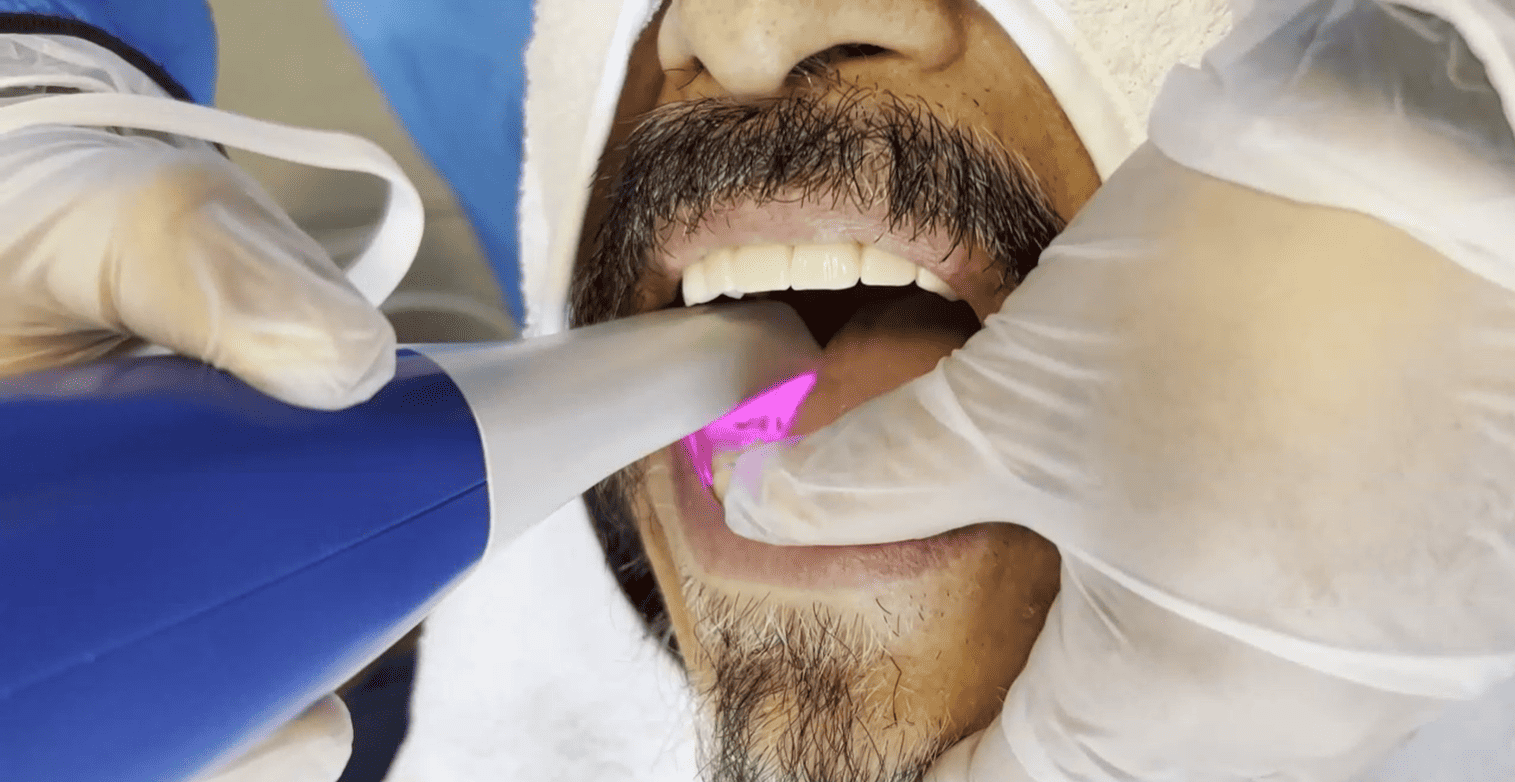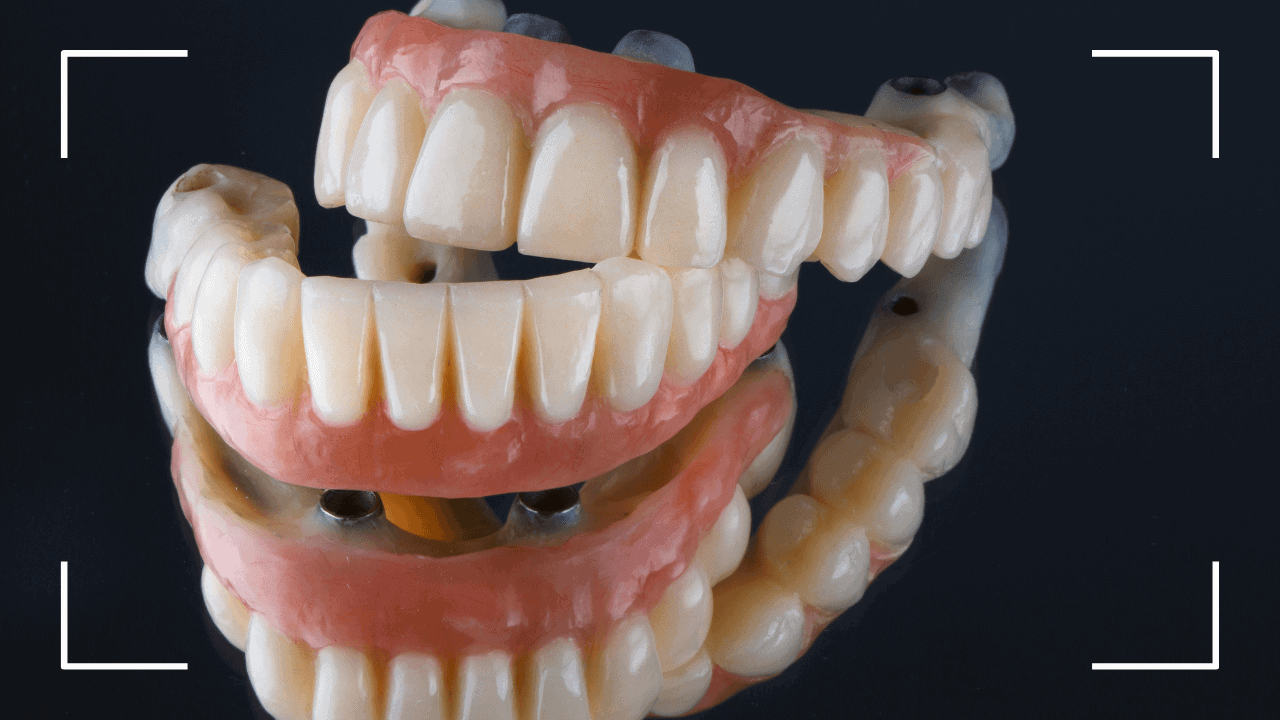

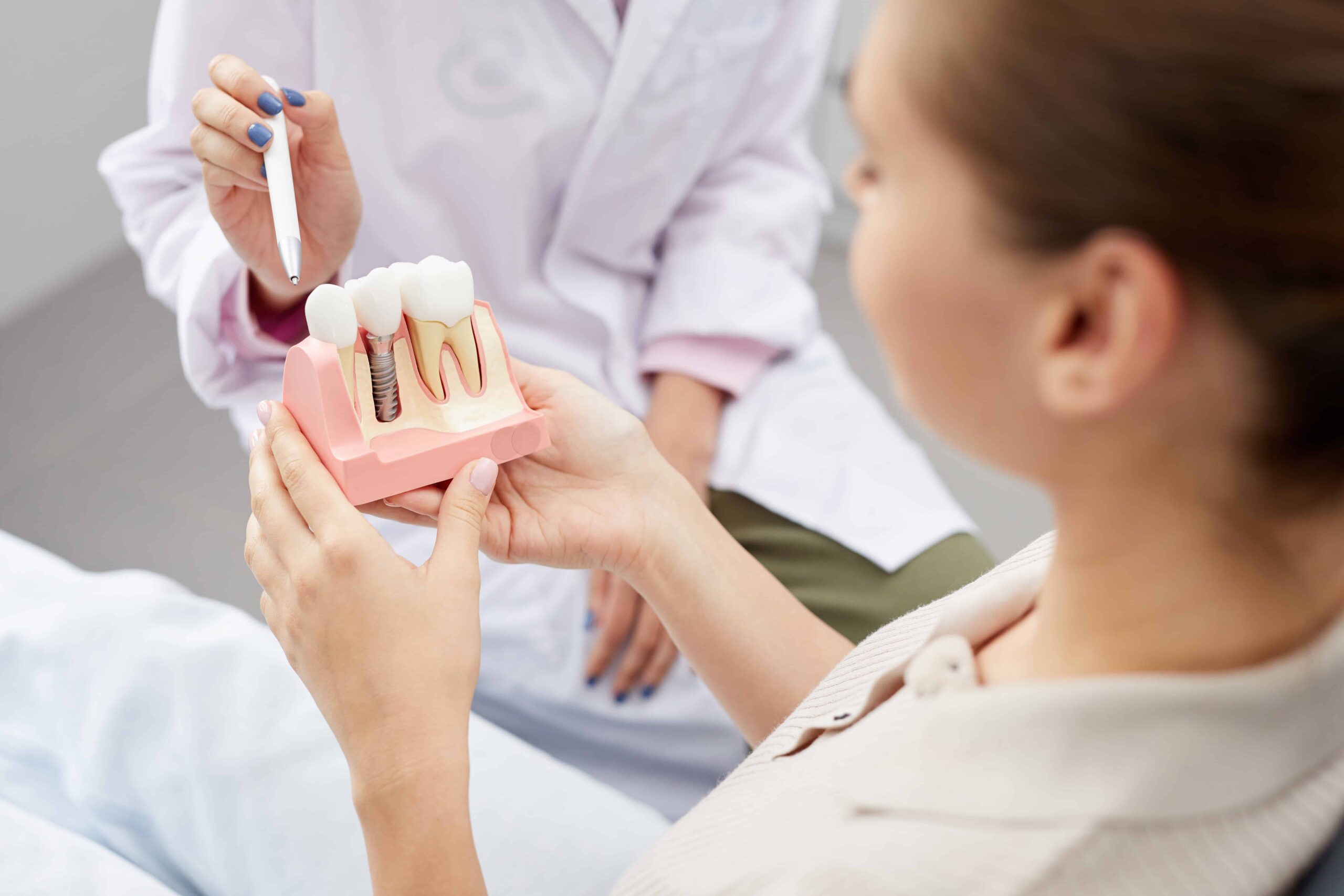
Care after dental implant surgery is essential for proper recovery. Applying ice, keeping the head elevated, gently brushing the teeth in the sector, and taking medication are immediate measures. Furthermore, maintaining oral hygiene, visiting the dentist, and having an appropriate diet are key for long-term care.
Aspects to Consider Before Dental Implant Surgery
Before undergoing dental implant surgery, it is important to consider several aspects to ensure the success of the procedure and the desired result. Here are some important aspects to keep in mind:
Oral Health Evaluation
Before surgery, it is crucial that a dentist performs a comprehensive evaluation of your oral health. This includes checking the health of the gums, the presence of cavities, and any other dental problem that could affect the success of the implants. In some cases, prior root canal treatments or dental fillings may be necessary.
Quantity and Quality of Bone
The quantity and quality of the bone in the area where the implants will be placed is a critical factor for the success of the procedure. If the bone is insufficient or of poor quality, a bone graft may be needed before the implant surgery.
General Health Status
Your general health status is also important. If you have pre-existing medical conditions, such as diabetes or heart disease, they can affect healing and implant integration. It is important to discuss any medical condition with your dentist before surgery.
Medical History and Medications
Inform your dentist about any medications you are taking, as well as any allergies to medications or dental materials. Some medications can affect healing or the body's response to the implant.
Treatment Expectations
It is important to have realistic expectations about the treatment results. Talk to your dentist about what you can expect after surgery, including recovery time, possible complications, and aesthetic and functional results. To better understand the costs, consult our guide on the cost of a dental implant.
Treatment Planning
Before surgery, your dentist must develop a detailed treatment plan that includes the location of the implants, the type of implants to be used, and any necessary additional treatment, such as tooth extraction or bone grafting.
Information About the Procedure
The patient should receive a detailed explanation about the dental implant placement procedure, including possible risks and benefits. It is essential to clarify any doubts or concerns before surgery to ensure an informed decision. We recommend you read about how to find the best dentist for your procedure.
Immediate Care After Implant Placement
After dental implant surgery, it is crucial to follow certain immediate care steps to promote proper healing and recovery. Here are the guidelines to follow:
- Apply Ice to the Treated Area
Use cold compresses during the first few days to reduce inflammation and pain. - Keep Your Head Elevated
The position of the head should be elevated to control swelling and bleeding, especially while sleeping. - Do Not Rinse Your Mouth or Brush Your Teeth
For the first 24–48 hours, avoid vigorous rinsing and direct brushing in the operated area to prevent disturbing the clot. - Take the Prescribed Medication
Strictly follow the specialist's instructions regarding taking medication to control pain and prevent infections.
Long-Term Care After Implant Surgery
Once the immediate phase is overcome, it is essential to pay attention to long-term care to ensure the success of the dental implants. The fundamental aspects to consider are broken down below:
Maintain Adequate Oral Hygiene
It is essential to follow the specialist's instructions and maintain excellent oral hygiene. Consider using electric toothbrushes specifically designed for implants and choose the appropriate toothpaste.
Avoid Harmful Habits
Refrain from smoking or excessive alcohol consumption, which can affect healing and implant integration.
Follow a Balanced Diet
A diet rich in nutrients beneficial for oral health will favor the durability of the implants. Learn more about what to eat after a dental implant in our specialized guide.
Regular Check-ups
Schedule professional dental cleanings and regular check-ups to maintain the health of your implants.
Factors that Influence the Success of Dental Implants
Biological Factors:
- Quantity and quality of bone: Sufficient and good-quality bone is crucial for implant integration.
- Patient's oral health: Problems such as periodontal diseases can affect implant integration.
- General health status: Medical conditions like diabetes can influence healing and the implant response.
Lifestyle Factors:
- Lifestyle habits: Smoking, excessive alcohol consumption, and a poor diet can negatively affect oral health and healing.
- Post-operative care: Following the dentist's instructions is essential for proper healing.
Technical Factors:
- Professional experience: The dentist's skill influences the success of the procedure.
- Planning and placement: The adequate selection of the site and surgical technique are fundamental.
- Follow-up and maintenance: Regular check-ups are necessary to prevent future problems.
These factors combined contribute to the long-term success of dental implants.
Benefits and Durability of Dental Implants
Dental implants offer a long-lasting and successful solution in over 97% of cases, providing a solid alternative to replace missing teeth. To learn more about how long implants last according to their material, consult our specialized guide.
By acting as artificial roots, dental implants safely and stably support the final dental pieces, which contributes to better functionality and aesthetics in the mouth.
The durability of dental implants is supported by proper care and following the specialist's instructions, which can allow you to enjoy a healthy and radiant smile long-term.
Implants vs. Other Alternatives
If you are considering different options for replacing missing teeth, we recommend you read about dental implants vs. dental bridges to make the best decision according to your specific case.
You can also consider dental prosthetics as an alternative based on your needs and budget.
Additional Recommendations for Optimal Post-Operative Recovery
Immediate Care:
- Follow the dentist's instructions: Carefully comply with the indications provided by your dentist.
- Pain and swelling control: Use analgesics and cold compresses as recommended.
- Rest and recovery: Rest sufficiently and avoid strenuous activities during the first few days.
Diet and Habits:
- Soft and nutritious diet: Consume a soft diet that is easy to chew, avoiding hard or sticky foods.
- Avoid smoking and consuming alcohol: Refrain from these habits that can negatively affect healing.
- Learn about the rest time after an implant to plan your recovery adequately.
Hygiene and Follow-up:
- Careful oral hygiene: Follow your dentist's instructions to maintain good oral hygiene without disturbing the surgery area.
- Avoid activities that disturb the area: Do not touch or manipulate the surgery area.
- Follow-up schedule: Attend all follow-up appointments with your dentist to evaluate progress.
At iSmile Guatemala, our team of specialists will accompany you throughout the entire process, from planning to the complete recovery of your dental implants. Our treatments can be perfectly complemented with smile designs to achieve exceptional aesthetic results.