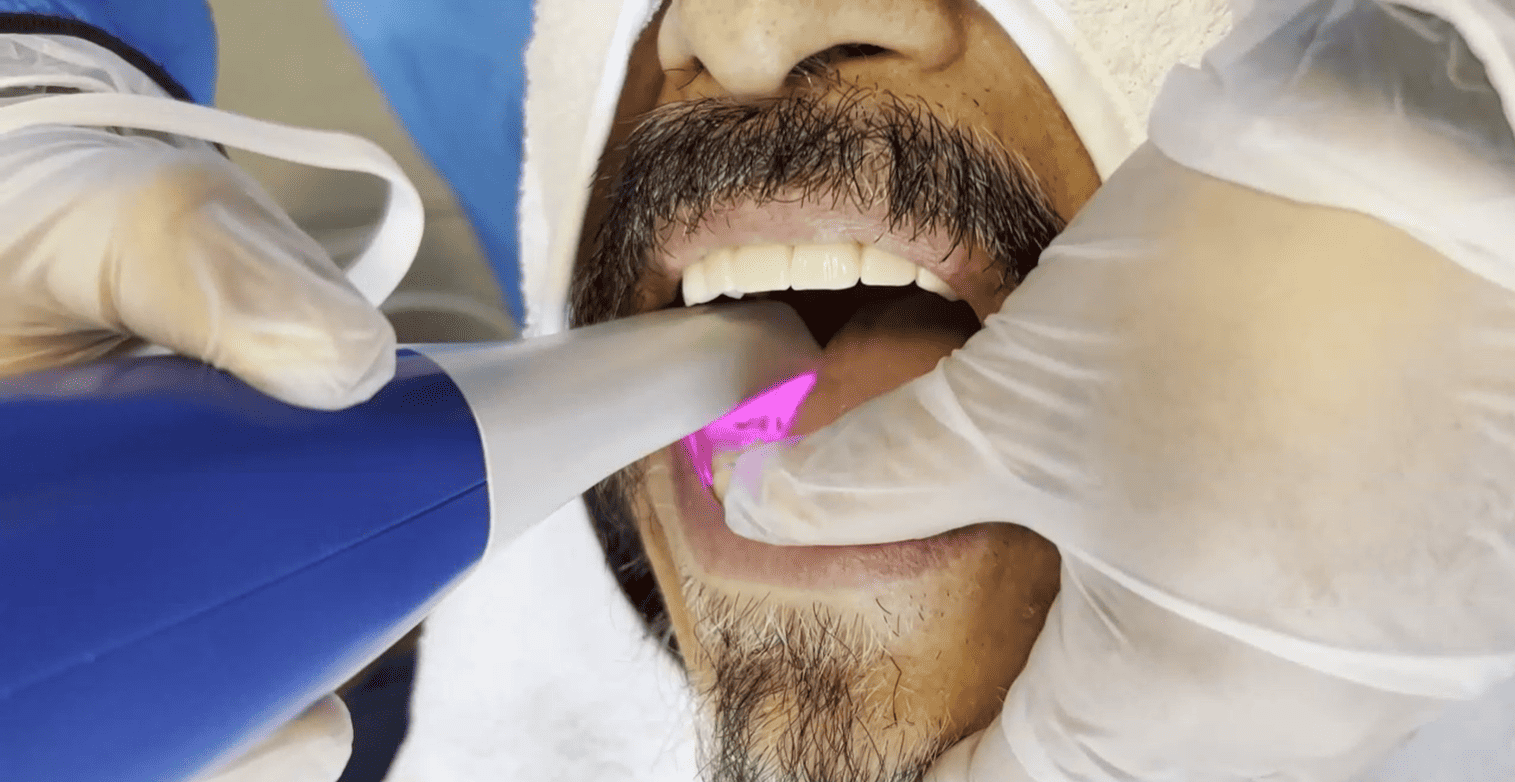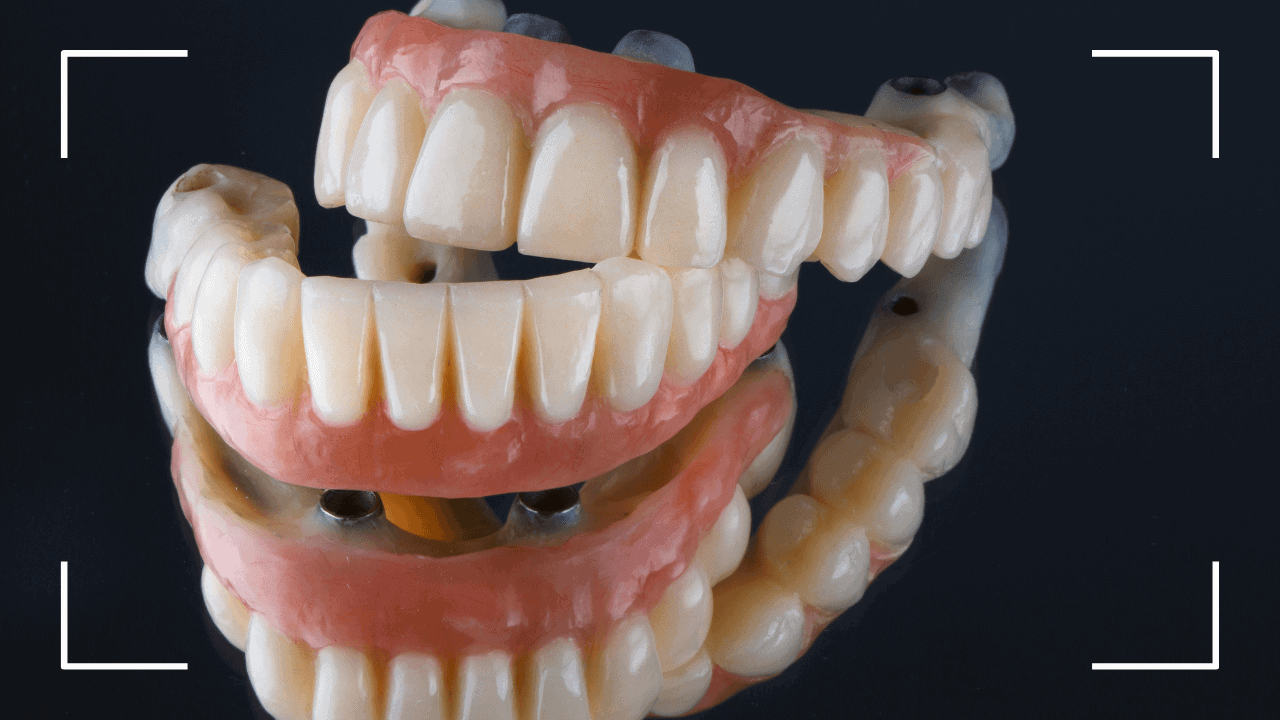

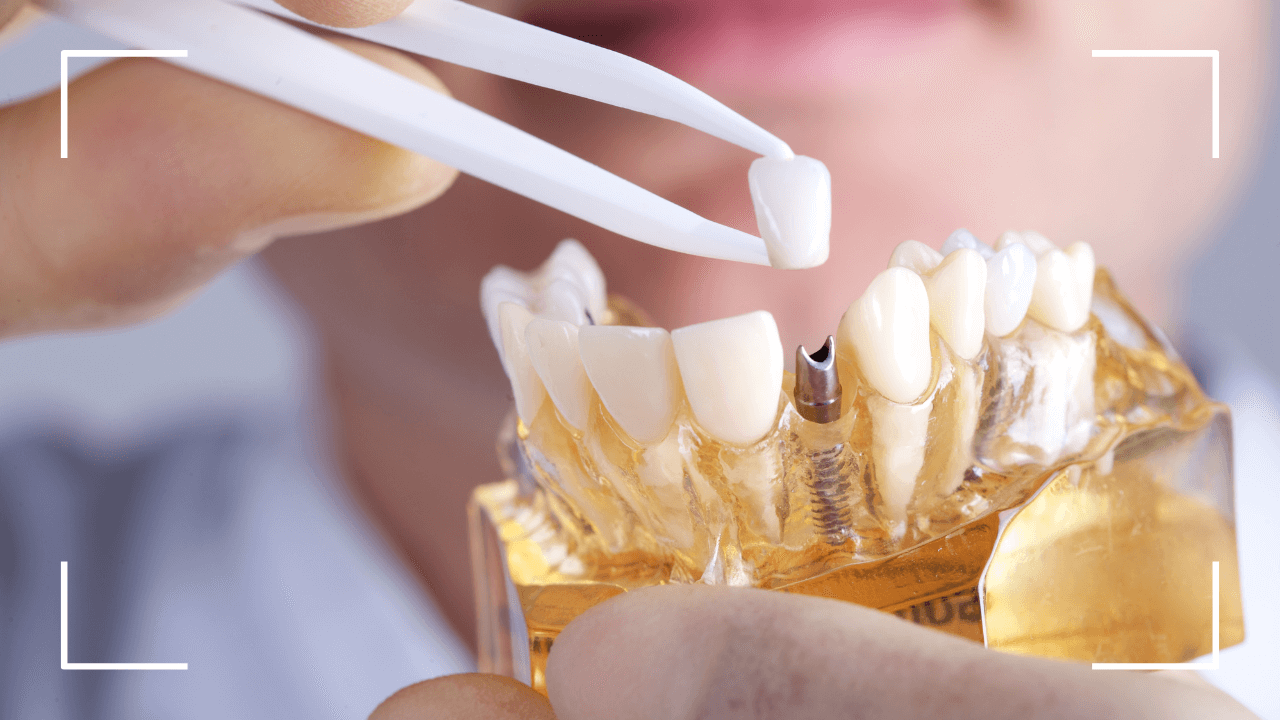
Dental implants have revolutionized dentistry, offering an aesthetic and functional solution to tooth loss. However, a fundamental aspect that concerns many patients is the durability of these implants.
The choice of implant material is a key factor influencing its longevity. In this article, we will explain how different materials affect the lifespan of dental implants.
What is a Dental Implant and How Does It Work?
A dental implant is an artificial root, generally made of titanium, which is placed in the maxillary or mandibular bone to replace the root of a missing tooth. A dental crown is placed over this implant to mimic the appearance and function of a natural tooth.
The process of osseointegration, in which the bone fuses with the implant, is fundamental to the success of the treatment. This process is especially important after procedures such as tooth extraction where the missing tooth needs to be replaced.
Materials Used in Dental Implants
Traditionally, titanium has been the most widely used material for dental implants due to its biocompatibility and high resistance. However, in recent years, new materials have emerged, such as zirconia, which offer additional advantages.
Titanium
Advantages:
- High biocompatibility
- Fast osseointegration
- Exceptional strength and durability
- Extensive proven clinical history
Disadvantages:
- Higher risk of allergic reactions in very rare cases
- Metallic color that may be visible in thin gums
Zirconia
Advantages:
- High resistance
- Excellent aesthetics
- Biocompatibility
- Stain resistance
- Natural white color
Disadvantages:
- Higher cost
- More complex manufacturing process
- Less clinical experience compared to titanium
Factors That Influence the Durability of Dental Implants
In addition to the material, other factors influence the durability of dental implants:
Surgical Technique
Precise placement of the implant by an experienced surgeon is fundamental. Choosing the best dentist in Guatemala is crucial for the success of the treatment.
Patient’s Oral Health
Good oral hygiene and regular professional dental cleanings are essential to prevent complications such as peri-implantitis.
Occlusal Loading
The force exerted on the implant when chewing can affect its duration. Patients with bruxism may require special care.
Bone Quality
Good quality bone favors osseointegration and implant stability. In cases of bone loss, complementary treatments may be needed.
How Long Do Dental Implants Last According to the Material?
The duration of a dental implant depends on several factors, but in general, both titanium and zirconia implants can last many years with proper care.
Titanium Implants
- Average duration: 20-25 years or more
- Success rate: 95-98% at 10 years
- Advantage: Longer long-term clinical history
Zirconia Implants
- Average duration: 15-20 years or more
- Success rate: 90-95% at 10 years
- Advantage: Better aesthetics and biocompatibility
Clinical studies have shown that dental implants have a very high success rate, and with proper maintenance, they can last a lifetime.
What is the Best Material for Dental Implants?
The choice of implant material should be personalized and will depend on the needs and characteristics of each patient. In general, both titanium and zirconia are excellent options.
If you are looking for a highly aesthetic solution, especially in the anterior area, zirconia can be a good alternative. For cases that require maximum resistance and you have a limited budget, titanium remains the most widely used and tested material.
Implants vs Other Alternatives
Before deciding on implants, it is important to know all the available options:
- Dental bridges: Fixed alternative that does not require surgery.
- Dental prostheses: More economical removable option.
Read our complete analysis on dental implants vs dental bridges to make the best decision.
The Process of Placing a Dental Implant
The placement of a dental implant usually involves several stages:
1. Initial Evaluation
A thorough examination of the mouth is performed and X-rays are taken to evaluate the quantity and quality of the bone.
2. Previous Treatments (if necessary)
- Root canal treatment on adjacent teeth
- Dental extractions if necessary
- Dental fillings in compromised teeth
3. Surgery
An incision is made in the gum to expose the bone and the implant is placed.
4. Osseointegration
It is the process of joining the implant to the bone. It can last several months. During this period, learn what to eat after a dental implant.
5. Abutment Placement
Once the implant has integrated into the bone, a small post called an abutment is placed over the implant.
6. Crown Placement
An impression of the mouth is taken to manufacture a crown that is cemented over the abutment.
Care After Surgery
After dental implant surgery, it is important to follow the instructions to ensure proper healing:
Oral Hygiene
- Maintain good oral hygiene with soft electric brushes
- Use quality toothpaste
- Brush gently and floss carefully
Diet
Follow our complete guide on what to eat after a dental implant and learn about the recovery time after a dental implant.
Medications and Habits
- Take prescribed medications according to instructions
- Avoid smoking completely
- Attend all follow-up appointments
Cost of Dental Implants in Guatemala
The cost of a dental implant can vary depending on several factors:
- Type of material (titanium vs zirconia)
- Number of implants needed
- Additional treatments required
- Complexity of the case
- Experience of the surgeon
Complementary Treatments
Dental implants can be combined with other treatments for optimal results:
- Comprehensive smile design
- Dental whitening to match shades
- Dental veneers on adjacent teeth
Frequently Asked Questions (FAQ)
1. Can dental implants break?
Like natural teeth, dental implants can be damaged if subjected to excessive forces. However, with proper care, they are very resistant.
2. Can I feel the dental implant?
Once the implant has integrated into the bone, you should not feel any difference between your natural teeth and the implant.
3. Do dental implants cause allergies?
Titanium allergies are very rare. However, if you are allergic to any metal, it is important to inform your dentist before treatment.
4. How much does a dental implant cost?
The cost can vary depending on several factors. Consult our dental implant price guide for detailed information.
5. How long does dental implant surgery take?
The duration can vary depending on the complexity of the case, but it generally takes between 30 minutes and 2 hours.
Restore your smile with confidence! Schedule your consultation at iSmile Guatemala and discover how dental implants can transform your quality of life.