
The loss of teeth can significantly affect our quality of life, both aesthetically and functionally. Dental prostheses are an effective solution to restore your smile and regain the ability to chew.
However, there are two main types of prostheses: fixed and removable. Each has its own advantages and disadvantages, and the choice will depend on individual factors such as oral health status, patient needs, and dentist recommendations.
What are Dental Prostheses?
A dental prosthesis is an artificial device designed to replace one or more missing teeth, whether due to advanced cavities, dental extractions, or trauma. Its main goal is to restore masticatory function, improve aesthetics, and preserve oral health.
Fixed Dental Prostheses
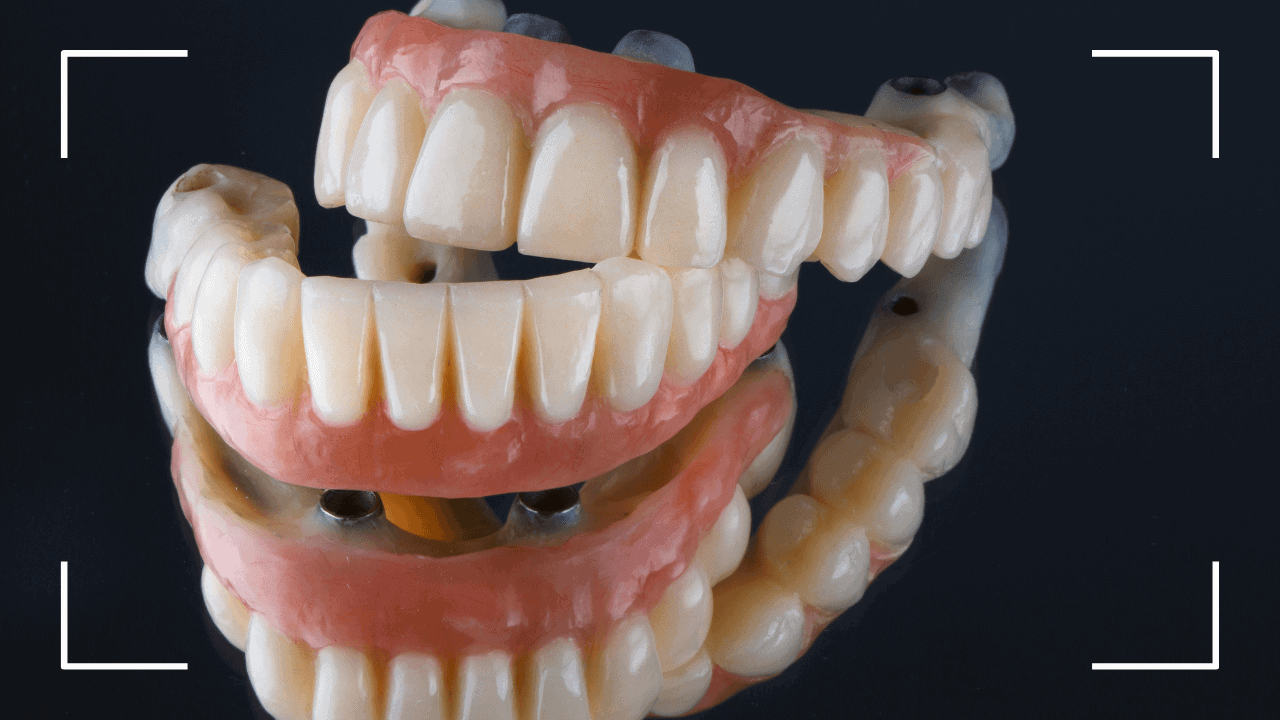
Fixed prostheses are cemented onto natural teeth or dental implants, providing great stability. They are ideal for replacing one or more missing teeth in the same area of the mouth.
Types of Fixed Prostheses:
Crowns: They cover the entire visible surface of a damaged tooth. Learn more about dental crown prices in Guatemala and the types of dental crowns available.
Bridges: They replace one or more missing teeth by joining two or more natural teeth. Consult our complete guide on dental bridge prices in Guatemala.
Dental implants: These are artificial roots placed in the maxillary or mandibular bone to support crowns or bridges. Discover more about dental implants in Guatemala.
Advantages of Fixed Prostheses:
Stability: They offer great stability and firmness, allowing you to chew normally.
Aesthetics: They can be customized to match the color and shape of natural teeth, especially when integrated into a smile design.
Durability: With proper care, they can last many years. Find out how long dental crowns last.
Disadvantages of Fixed Prostheses:
Require dental preparation: The teeth adjacent to the missing teeth must be shaved (contoured) to support the prosthesis.
Higher cost: They are usually more expensive than removable prostheses.
Removable Dental Prostheses
Removable prostheses can be taken out and put back in by the patient. They are a more economical and less invasive option than fixed prostheses, but they offer less stability and comfort.
Types of Removable Prostheses:
Partial: They replace one or more missing teeth in the same arch.
Complete: They replace all the teeth in an arch.
Advantages of Removable Prostheses:
Cost: They are more affordable than fixed prostheses.
Conservation of natural teeth: They do not require the shaving of adjacent teeth.
Disadvantages of Removable Prostheses:
Stability: They can move or fall out while speaking or eating.
Comfort: They can cause discomfort and make speaking difficult.
Aesthetics: They do not always offer an aesthetic result as natural as fixed prostheses.
Effect on bone: In the long term, they can contribute to the resorption of the alveolar bone.
Process of Placing a Dental Prosthesis
The process of placing a dental prosthesis can vary depending on the type of prosthesis and the individual needs of each patient. However, it generally involves the following steps:
1. Evaluation and Planning
A complete evaluation is performed, which may include previous treatments like endodontics or dental fillings if necessary.
2. Taking Impressions
Precise impressions of the teeth and gums are taken to create a plaster model of the mouth.
3. Design and Manufacturing
Based on the impressions, the prosthesis is designed and manufactured in a dental laboratory.
4. Prosthesis Testing
Before final placement, a test is performed to verify the fit and comfort of the prosthesis.
5. Final Placement
The prosthesis is cemented or adjusted in the patient's mouth.
Care After Placement
To prolong the lifespan of a dental prosthesis and ensure comfort, it is important to follow these care instructions:
Oral hygiene: Brush the prosthesis daily with a quality brush and suitable toothpaste.
Nightly removal: Removable prostheses should be removed at night to allow the gums to rest.
Regular dentist visits: It is essential to attend periodic check-ups and professional dental cleanings to adjust the prosthesis if necessary.
Avoid hard and sticky foods: These foods can damage the prosthesis.
Use special products: There are products specifically designed to clean and care for dental prostheses.
Alternatives to Dental Prostheses
In addition to fixed and removable prostheses, there are other options to replace missing teeth:
Dental implants: They are the most durable and aesthetic option, as they replace both the root and the crown of the tooth. Read more about implants vs dental bridges.
Bone grafts: Used to increase the amount of bone in cases where there is not enough bone to place an implant.
For specific cases where greater dental conservation is required, we also offer dental veneers as an aesthetic alternative.
What is the Best Option for Me?
The choice between a fixed prosthesis and a removable one will depend on several factors:
Number of missing teeth: If only a few teeth are missing, a fixed prosthesis may be the best option. If many teeth are missing, a removable prosthesis may be more suitable.
Oral health status: The health of the teeth and gums will influence the choice of prosthesis type.
Budget: Fixed prostheses are usually more expensive than removable ones.
Aesthetic expectations: If you are looking for a very natural aesthetic result, fixed prostheses are the best choice.
It is essential to consult a qualified dentist to advise you and help you choose the most appropriate option for your needs.
Frequently Asked Questions (FAQ)
1. How long does a dental prosthesis last?
The duration of a dental prosthesis depends on several factors, such as the type of prosthesis, materials used, and patient care. With proper care, a prosthesis can last many years.
2. Can dental prostheses be repaired?
Yes, many dental prostheses can be repaired. However, if the damage is extensive, replacement may be necessary.
3. How is a dental prosthesis cleaned?
Dental prostheses should be cleaned daily with a soft brush and toothpaste. Removable prostheses must be removed at night and cleaned thoroughly.
4. Do dental prostheses affect speech?
At first, it may take some time to adapt to a dental prosthesis, and speech may be affected. However, over time, most people get used to it and can speak normally.
5. Do dental prostheses cause pain?
It is normal to feel some sensitivity or discomfort during the first few days after placing a dental prosthesis. However, if pain persists, you should consult your dentist.
Recover your Smile at iSmile Guatemala
At iSmile Guatemala, we help you choose the best dental prosthesis option according to your specific needs. Our team of specialists uses cutting-edge technology and high-quality materials to provide exceptional results.
Whether you choose fixed or removable prostheses, our goal is to give you back a functional and aesthetic smile that improves your quality of life.