
' d='M0 0h21v15H0z'/%3E%3Cpath d='M0 0h21v1H0V0zm0 2h21v1H0V2zm0 2h21v1H0V4zm0 2h21v1H0V6zm0 2h21v1H0V8zm0 2h21v1H0v-1zm0 2h21v1H0v-1zm0 2h21v1H0v-1z' fill='url(%23b)'/%3E%3Cpath fill='url(%23c)' d='M0 0h9v7H0z'/%3E%3Cpath d='M1.5 2a.5.5 0 110-1 .5.5 0 010 1zm2 0a.5.5 0 110-1 .5.5 0 010 1zm2 0a.5.5 0 110-1 .5.5 0 010 1zm2 0a.5.5 0 110-1 .5.5 0 010 1zm-5 1a.5.5 0 110-1 .5.5 0 010 1zm2 0a.5.5 0 110-1 .5.5 0 010 1zm2 0a.5.5 0 110-1 .5.5 0 010 1zm1 1a.5.5 0 110-1 .5.5 0 010 1zm-2 0a.5.5 0 110-1 .5.5 0 010 1zm-2 0a.5.5 0 110-1 .5.5 0 010 1zm-2 0a.5.5 0 110-1 .5.5 0 010 1zm1 1a.5.5 0 110-1 .5.5 0 010 1zm2 0a.5.5 0 110-1 .5.5 0 010 1zm2 0a.5.5 0 110-1 .5.5 0 010 1zm1 1a.5.5 0 110-1 .5.5 0 010 1zm-2 0a.5.5 0 110-1 .5.5 0 010 1zm-2 0a.5.5 0 110-1 .5.5 0 010 1zm-2 0a.5.5 0 110-1 .5.5 0 010 1z' fill='url(%23a)'/%3E%3C/g%3E%3C/svg%3E)
' d='M0 0h21v15H0z'/%3E%3Cpath fill='url(%23b)' d='M10 0h11v15H10zM0 0h7v15H0z'/%3E%3Cpath fill='url(%23a)' d='M7 0h7v15H7z'/%3E%3Cpath d='M8 7a2.5 2.5 0 001.247 2.164.5.5 0 00.502-.865A1.499 1.499 0 019 7a.5.5 0 00-1 0zm3.846 2.107A2.498 2.498 0 0013 7a.5.5 0 10-1 0 1.5 1.5 0 01-.693 1.265.5.5 0 10.539.842z' fill='%23628A40' fill-rule='nonzero'/%3E%3Ccircle fill='%23DCC26D' cx='10.5' cy='7' r='1'/%3E%3C/g%3E%3C/svg%3E)
A white and bright smile is synonymous with youth and health. Over time, the consumption of certain foods and drinks, as well as smoking, can darken dental enamel.
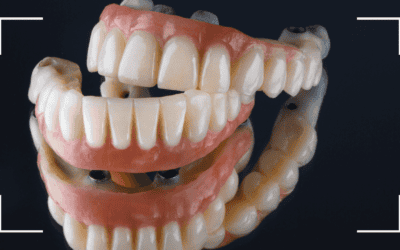
Fortunately, there are various dental whitening treatments that restore the natural color of teeth and improve self-esteem. For severe discoloration cases, you can also consider alternatives like dental veneers that fully cover the tooth surface.
In this article, we explore the different types of dental whitening available, their advantages and disadvantages.
Why Do Teeth Darken?
Before discussing whitening treatments, it is important to understand why teeth darken. The main causes are:
External Factors
- Consumption of pigmented foods and drinks: Coffee, tea, red wine, soy sauce, and berries can stain dental enamel.
- Smoking habit: Nicotine and tar in tobacco stain teeth yellow or brown.
Internal Factors
- Age: Over time, enamel wears down and the darker dentin becomes more visible.
- Medications: Some medications, like antibiotics, can cause dental discoloration.
- Trauma: A blow to a tooth can cause internal discoloration that may require root canal treatment.
Types of Dental Whitening
There are two main types: in-office whitening and at-home whitening.
In-Office Dental Whitening
Performed by a dentist using higher concentration products for faster results. Common methods include:
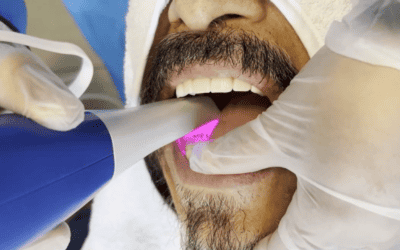
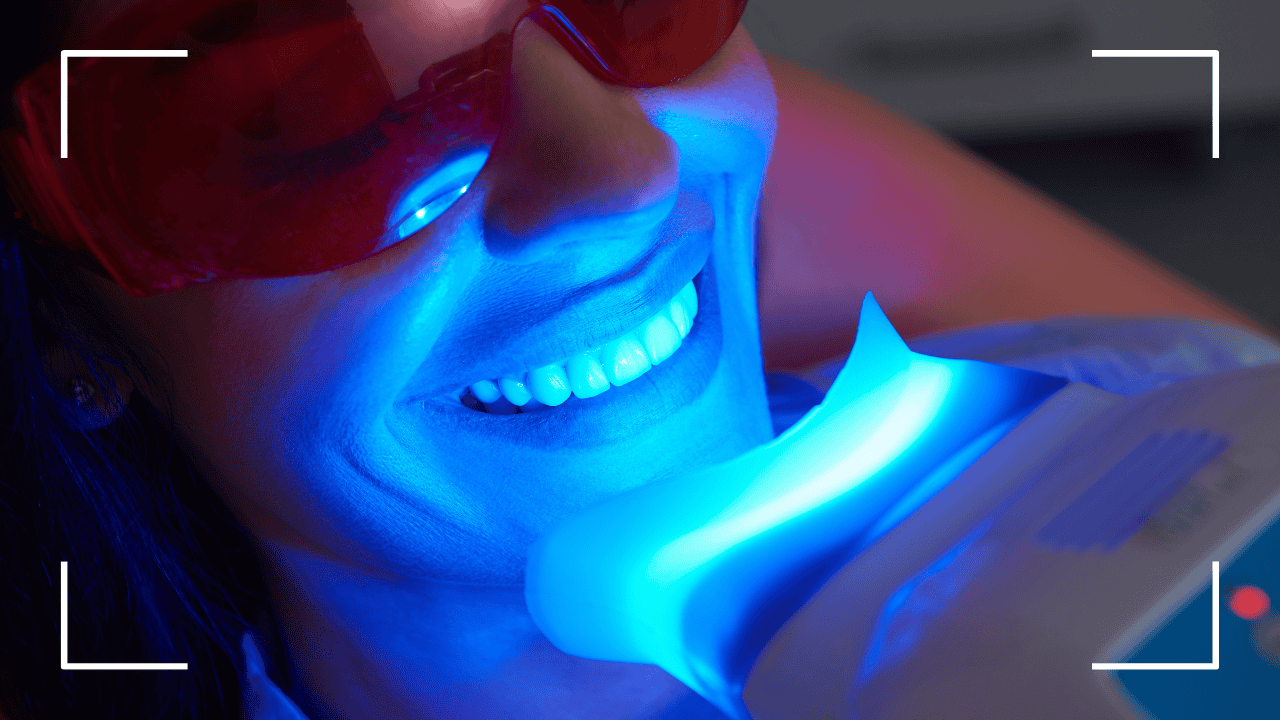
Light-activated whitening: Hydrogen peroxide gel applied and activated with LED or laser light to speed the process.
Non-light whitening: Higher concentration gel applied for a set time without light.
At-Home Dental Whitening
Performed with custom trays and lower concentration gel. The dentist takes impressions of your teeth to make the trays, which you then use at home for several hours daily.
For commercial at-home kits, we recommend reading our analysis on their effectiveness.
Advantages and Disadvantages of Dental Whitening
Advantages:
- Aesthetic improvement: A whiter smile can boost self-esteem and confidence.
- Quick and simple procedure: Whitening is a non-invasive and relatively fast treatment.
- Long-lasting results: With proper care, whitening results can last several years.
Disadvantages:
- Dental sensitivity: Some patients may experience sensitivity during or after treatment.
- Cost: Whitening cost varies by treatment type and clinic.
- Not permanent: Tooth color can darken again over time due to pigmented food and drink consumption.
Post-Whitening Care
After dental whitening, it is essential to follow care to prolong results and avoid stains:
Post-Whitening Diet
For the first 48-72 hours after treatment, it is recommended to avoid highly pigmented foods and beverages such as coffee, tea, red wine, beets, soy sauce, and dark-colored fruits.
Proper Oral Hygiene
Brush your teeth at least twice a day with a quality non-abrasive toothpaste and floss regularly. Consider using electric toothbrushes for more effective cleaning.
Sensitivity Management
If you experience sensitivity, use desensitizing toothpaste and avoid very hot or cold foods and beverages.
Professional Maintenance
Have regular professional dental cleanings to assess the condition of your teeth and maintain your results.
Dental Whitening Prices in Guatemala
For detailed pricing information, consult our comprehensive guide on dental whitening prices in Guatemala 2024.
Alternatives to Traditional Whitening
Popular home remedies: Many ask about sodium bicarbonate for whitening; we clarify myths and realities.
Comprehensive aesthetic options: Combine whitening with smile design including other aesthetic treatments.
Myths and Truths about Dental Whitening
Myth: Whitening damages enamel.
Truth: When performed correctly, whitening does not damage enamel.
Myth: Whitening is painful.
Truth: Most experience mild, temporary sensitivity during or after treatment.
Myth: Whitening is permanent.
Truth: Results can last years, but teeth may darken again over time.
Complementary Treatments
Whitening can be perfectly combined with other treatments:
- Dental veneers for severe discoloration cases.
- Dental crowns that may require replacement to match new color.
- Dental fillings that may require color adjustments.
Frequently Asked Questions (FAQ)
- Does whitening damage enamel?
If done under dentist supervision and following instructions, whitening does not damage dental enamel. - How long do whitening effects last?
Duration depends on hygiene habits and diet. With proper care, results can last several years. - Can I whiten teeth with fillings or crowns?
Whitening does not affect dental restorations such as fillings or crowns. However, these may appear darker compared to whitened teeth. - Is whitening painful?
Most patients experience mild dental sensitivity during or after treatment, which is usually temporary and can be relieved with desensitizing products. - What is the minimum age for whitening?
It is recommended to wait until dental development is complete before whitening. The appropriate age varies by patient.