
' d='M0 0h21v15H0z'/%3E%3Cpath d='M0 0h21v1H0V0zm0 2h21v1H0V2zm0 2h21v1H0V4zm0 2h21v1H0V6zm0 2h21v1H0V8zm0 2h21v1H0v-1zm0 2h21v1H0v-1zm0 2h21v1H0v-1z' fill='url(%23b)'/%3E%3Cpath fill='url(%23c)' d='M0 0h9v7H0z'/%3E%3Cpath d='M1.5 2a.5.5 0 110-1 .5.5 0 010 1zm2 0a.5.5 0 110-1 .5.5 0 010 1zm2 0a.5.5 0 110-1 .5.5 0 010 1zm2 0a.5.5 0 110-1 .5.5 0 010 1zm-5 1a.5.5 0 110-1 .5.5 0 010 1zm2 0a.5.5 0 110-1 .5.5 0 010 1zm2 0a.5.5 0 110-1 .5.5 0 010 1zm1 1a.5.5 0 110-1 .5.5 0 010 1zm-2 0a.5.5 0 110-1 .5.5 0 010 1zm-2 0a.5.5 0 110-1 .5.5 0 010 1zm-2 0a.5.5 0 110-1 .5.5 0 010 1zm1 1a.5.5 0 110-1 .5.5 0 010 1zm2 0a.5.5 0 110-1 .5.5 0 010 1zm2 0a.5.5 0 110-1 .5.5 0 010 1zm1 1a.5.5 0 110-1 .5.5 0 010 1zm-2 0a.5.5 0 110-1 .5.5 0 010 1zm-2 0a.5.5 0 110-1 .5.5 0 010 1zm-2 0a.5.5 0 110-1 .5.5 0 010 1z' fill='url(%23a)'/%3E%3C/g%3E%3C/svg%3E)
' d='M0 0h21v15H0z'/%3E%3Cpath fill='url(%23b)' d='M10 0h11v15H10zM0 0h7v15H0z'/%3E%3Cpath fill='url(%23a)' d='M7 0h7v15H7z'/%3E%3Cpath d='M8 7a2.5 2.5 0 001.247 2.164.5.5 0 00.502-.865A1.499 1.499 0 019 7a.5.5 0 00-1 0zm3.846 2.107A2.498 2.498 0 0013 7a.5.5 0 10-1 0 1.5 1.5 0 01-.693 1.265.5.5 0 10.539.842z' fill='%23628A40' fill-rule='nonzero'/%3E%3Ccircle fill='%23DCC26D' cx='10.5' cy='7' r='1'/%3E%3C/g%3E%3C/svg%3E)
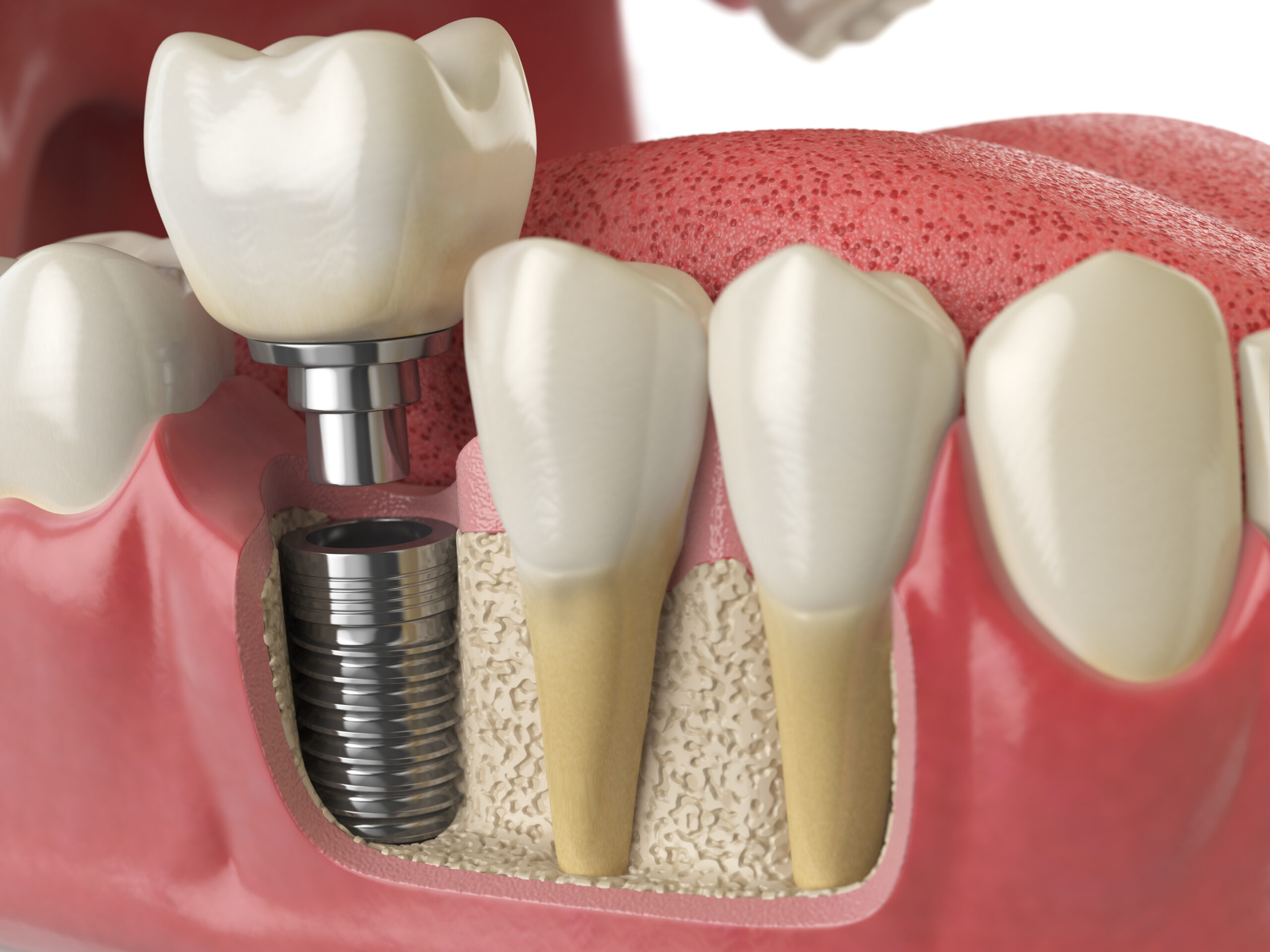
Dental implants in Guatemala require special dietary care following surgery. It is important to consume soft and cold foods for proper healing. Avoiding irritating and hard foods is key for optimal oral recovery. A soft diet and adequate hygiene are essential for the treatment’s success.
Recommended Foods After Dental Implant Surgery
For proper healing and recovery after dental implant surgery, it is crucial to consider the choice of appropriate foods. Below are some important recommendations for your rest time after a dental implant:
Soft Foods for Optimal Healing
First week post-surgery:
- Plain, unsweetened yogurt
- Smooth vegetable purees
- Warm creamy soups (not hot)
- Soft desserts like custard or gelatin
- Soft scrambled eggs
- Steamed cooked fish
- Well-cooked rice
Cold Foods to Reduce Swelling
First 3–5 days:
- Soft, mild-flavored ice creams (without nuts or pieces)
- Fruit smoothies without seeds or hard pieces
- Cold gelatins
- Cold water to stay hydrated
- Creamy smoothies without seeds
It is important to mention that these care instructions are similar to those required after other procedures like molar extractions or wisdom tooth extractions.
Foods to Avoid After Dental Implant Placement
It is crucial to avoid certain foods that may cause complications in the healing and osseointegration process of dental implants.
Foods That Can Irritate the Wound
First 2–3 weeks:
- Very hot, spicy, or acidic foods
- Hard fruits and vegetables (apples, raw carrots)
- Seeds and nuts
- Citrus fruits that can cause irritation
- Tomatoes and acidic foods
Hard Foods That Can Cause Complications
Throughout the entire healing process:
- Sticky foods that can get trapped between the teeth
- Hard meat and fibrous foods
- Candies and chewing gum
- Popcorn
- Toasted bread or hard crackers
- Alcoholic beverages (interfere with healing)
Benefits of Adequate Nutrition for Osseointegration
Adequate nutrition, especially through a soft diet, provides various benefits that favor the osseointegration of dental implants. Some of these benefits include:
1. Promotion of Healing
- Rapid and optimal healing of soft tissues
- Better integration of the implant with the bone
2. Reduction of Complications
- Reduction of post-operative swelling and discomfort
- Prevention of infections at the surgical site
3. Facilitation of Bone Regeneration
- Facilitation of bone regeneration and integration of the implants into the surrounding bone
- Acceleration of the overall recovery process
Phases of Nutrition During Recovery
Phase 1: Immediate (1–3 days)
- Only cold liquids and very soft foods
- Avoid sucking through straws
- Maintain constant hydration
Phase 2: Early (4–14 days)
- Gradually introduce warm soft foods
- Continue avoiding hard foods
- Maintain careful dental cleaning
Phase 3: Recovery (2–8 weeks)
- Progressively reintroduce normal foods
- Continue avoiding very hard foods
- Consult with the dentist about progression
Post-Operative Care and Maintenance of Oral Health
After dental implant surgery, it is essential to maintain adequate oral hygiene to ensure optimal recovery and prevent possible complications. We recommend you follow our post-operative care for dental implants.
Important Recommendations:
Specialized oral hygiene:
- Use soft electric toothbrushes after the initial period
- Select appropriate toothpaste recommended by your dentist
- Perform rinses with mild saline solution
Professional follow-up:
- Regular check-ups with the dentist (at least twice a year)
- Follow the dental team’s instructions
- Maintain good nutrition long-term
Special Considerations According to Implant Type
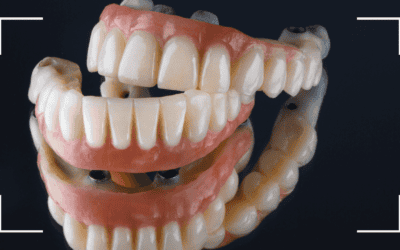
Depending on whether your treatment includes a single implant or multiple implants, recommendations may vary. For complex cases requiring multiple dental implants, the recovery period and dietary restrictions may be more extensive.
If you have received bridges over implants, it is especially important to follow dietary recommendations to protect both the implants and the prosthesis.
Duration of Dietary Care
It is important to remember that this care is not permanent. Learn more about how long dental implants last according to their material type to better understand your long-term investment.
Once osseointegration is complete, you will be able to enjoy a normal diet, with the confidence of having a complete and functional smile.
Comparison with Other Dental Replacement Options
If you are considering alternatives, we invite you to read about dental implants vs. dental bridges to understand the differences in post-operative care between both options.
Ready for your dental implant treatment? At iSmile Guatemala, our team of specialists will accompany you throughout the entire recovery process, providing you with the best personalized recommendations for your specific case.
Learn more about the cost of a dental implant and schedule your consultation today to recover your smile with the highest quality and professional care.